iOS 27 adds identity theft risk detection to iPhone
The setting, off by default, warns apps when a scam is likely under way, without listening to calls or reading messages.
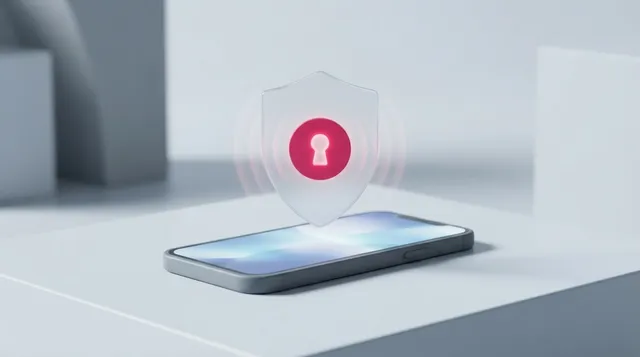
Apple’s iOS 27 includes Trust Insights, a system shown at WWDC in June and released on 14 September. On the iPhone it appears as identity theft risk detection. It runs on every iPhone from the iPhone 11 and the second-generation iPhone SE, and it is switched off by default.
The system does not listen to calls, and it does not read SMS, emails or photos. An on-device model looks at metadata: the pace of interactions, the order of actions, the time of day and basic sensor data. It derives a probability score, sent to Apple’s servers without the raw data and combined with signals linked to the Apple account.
Five families of operations are covered: payment, account change, use of a costly service, mass messaging and an "other" category. When an app requests the score, it receives a verdict — unknown, medium or high — then chooses to show a warning, impose a delay or require an extra check. iOS itself blocks nothing.
To turn it on: Settings, then Privacy & Security, then identity theft risk detection, then share with app developers. Nothing changes visually. The first time a compatible app wants to use it, it asks its own permission for each type of operation involved.